When volunteer St John WA officers Gabby and Kirk got a late night call out for a sick 5 year old boy on June 25th last year, they were prepared for it to be someone close to them.
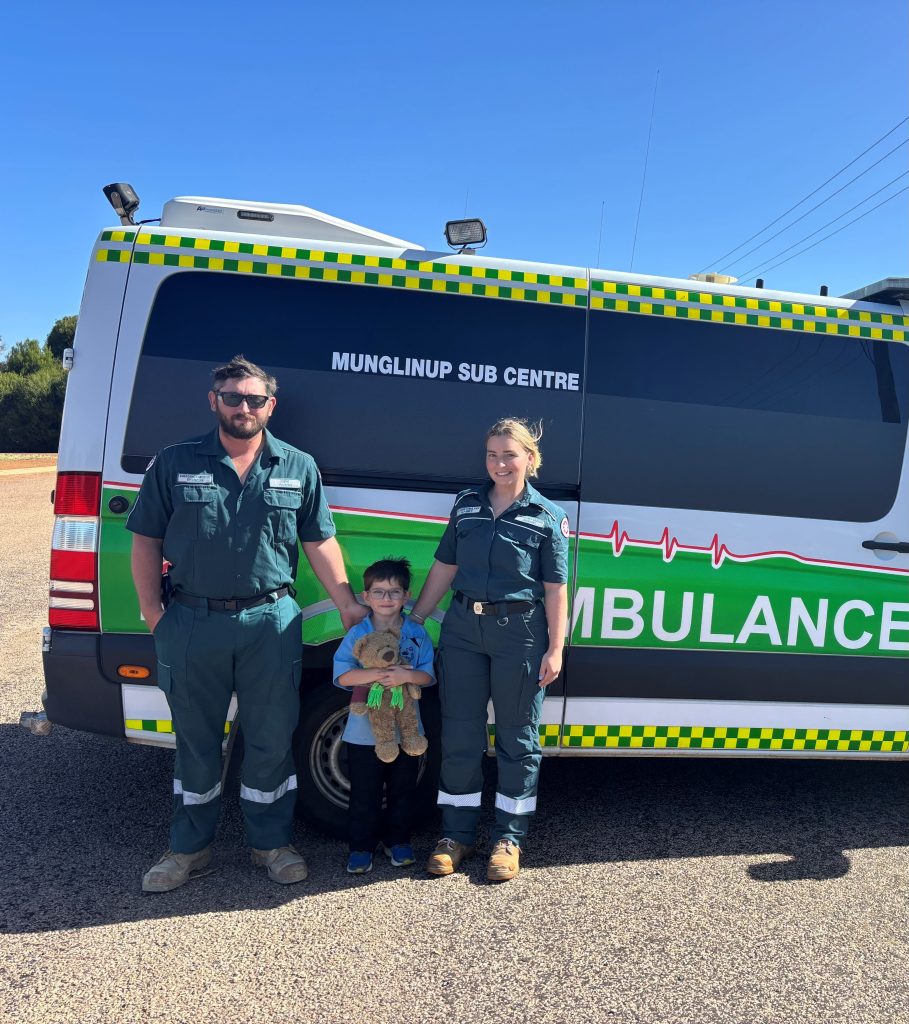
They are the two-person team at Munglinup Sub Centre, in remote southern WA.
“Everyone knows everyone here,” says Kirk. “It always make it that bit more stressful to be treating someone you know.”
When they arrived at Charlie’s home around 11pm, what they found alarmed them.
“We started doing his obs and they were out of this world,” Gabby says. “I’d never seen a heart rate of 190 in a child. He was limp.”
Kirk and Gabby also saw Charlie had a rash which didn’t blanche when they pressed a glass on it. They suspected meningococcal.
Only a month before, Gabby had done a training unit on it.
“We very easily could not have picked up on that rash, if we missed that one symptom it would’ve been his life,” she says.
Taking just 6 minutes from arriving at Charlie’s home to getting Charlie on the road in the ambulance, Gabby and Kirk recognised Charlie was in terrible peril.
“The clinical support desk at the State Control Centre in Perth told us to administer ‘diesel medication’ which means drive as quickly as possible,” Kirk says. “We were an hour out of town, time was of the essence. He was in septic shock.”
Gabby was in the back of the ambulance with Charlie and his mum Alyce as Kirk drove them at under lights and sirens to Esperance Base Hospital, and the Royal Flying Doctor Service of Australia was called to pick up Charlie for the dash to Perth Children’s Hospital.
“On the way to town he went cold,” Gabby says.
“You couldn’t get a heart reading or oxygen reading as all the blood had left his limbs.
“Knowing Charlie and it being one of my first child cases I was praying to everybody in the sky that I didn’t have to tell Kirk to pull over and start CPR.”
Within two hours of their attending him, Charlie was evacuated by plane to Perth, where he was swiftly placed in an induced coma in Intensive Care, and diagnosed with #MeningococcalB.
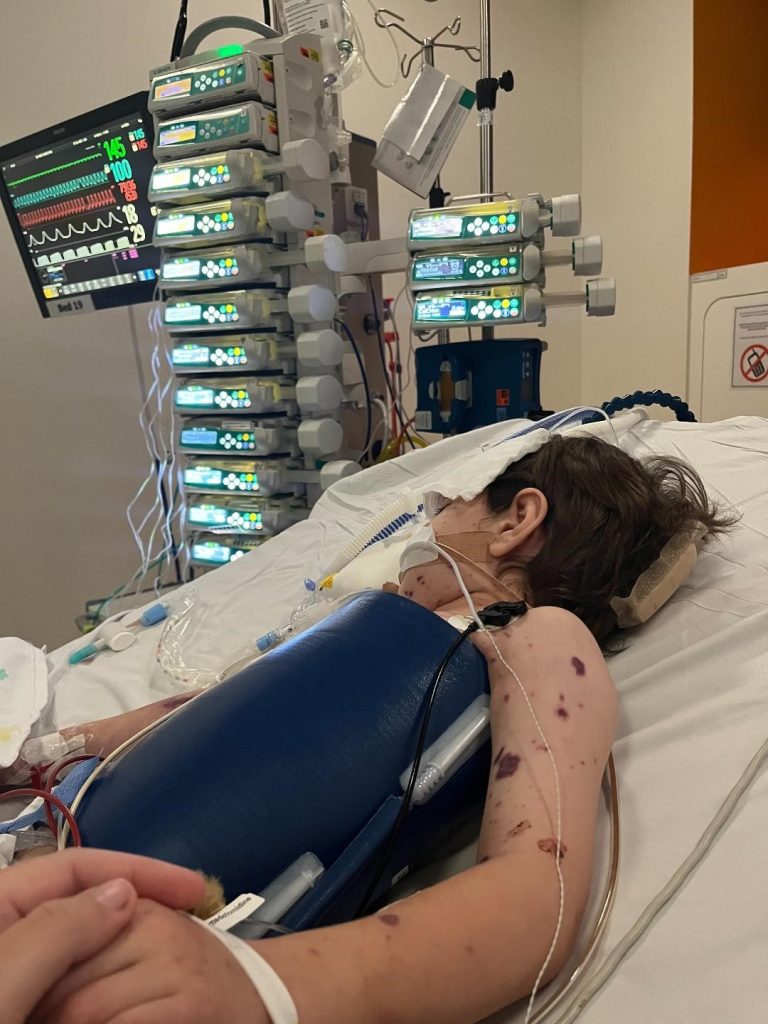
The decisive actions of these two ambulance heroes saved Charlie’s life.
“We train for the most unlikely scenarios because eventually we’re going to come across them,” says Kirk.
For Gabby, as a mother and friend of Charlie’s family, Charlie’s illness with Meningococcal B highlighted the glaring lack of access West Australian kids have to the MenB vaccine.
“How ridiculous that WA is one of the only states in Australia that doesn’t have the #MeningococcalB vaccine on the schedule,” she says.
“I don’t see why any of our kids should have to go through what Charlie and his family went through.”
Kirk agrees: “Living remotely, prevention is always better than cure. The cure is so far away from us, 600 or 700kms away from us. And distance is time, which with meningitis can kill.”
Charlie is making a steady recovery at home with his family.
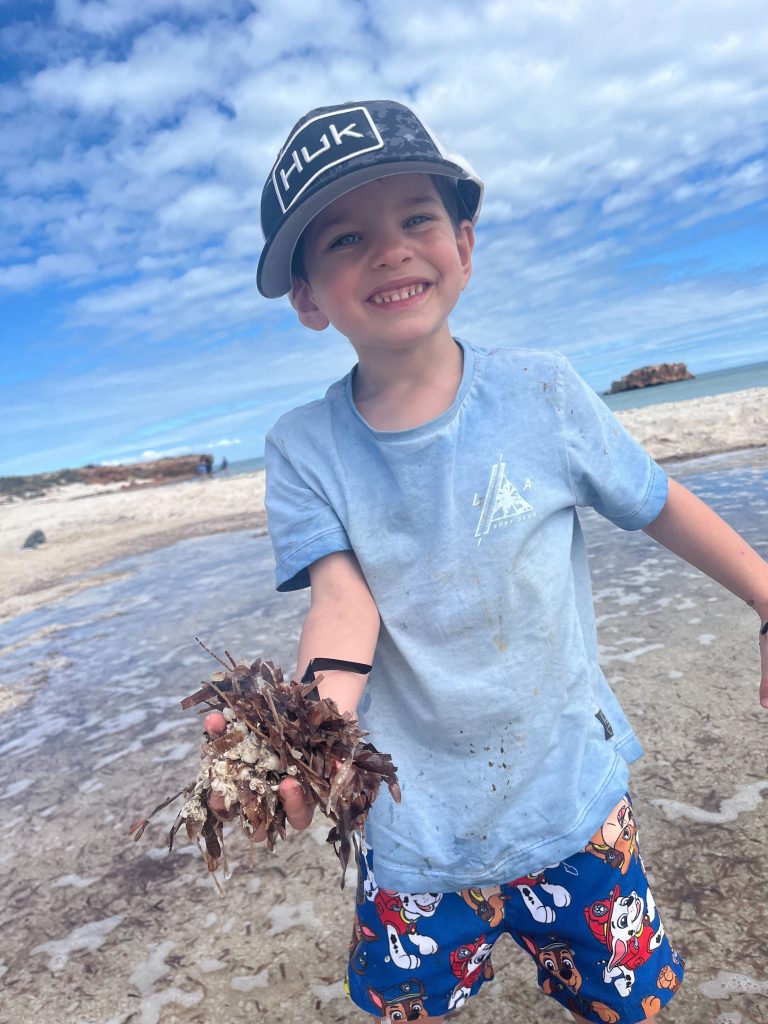
“If me and Gabby didn’t go to that job he would’ve died, simple as that,” says Kirk.
“I’m very happy we got the outcome we did,” says Gabby.
“After this all happened, I was very upset about it, I’ve got two young kids myself.
“When I was 15 I had a friend pass away from meningococcal. She was at school one day, then 12 hours later she was gone. I knew what could happen and how quickly.”